Comcast Business's October 5 threat report draws on 79.3 billion cybersecurity events observed between March 2025 and February 2026. That is a count of detected events in its customer telemetry, not 79.3 billion successful breaches or a complete measure of global cybercrime. Among the report's concerns is attack traffic routed through devices such as cameras and routers. Comcast's October 5 report announcement
The surprising connection to autonomous security is that a sensor can serve two systems at once: its owner's observation network and an attacker's traffic infrastructure. A camera may continue to deliver useful pictures while its network behavior creates a separate problem. Visual uptime is therefore an incomplete measure of whether the security device is healthy.
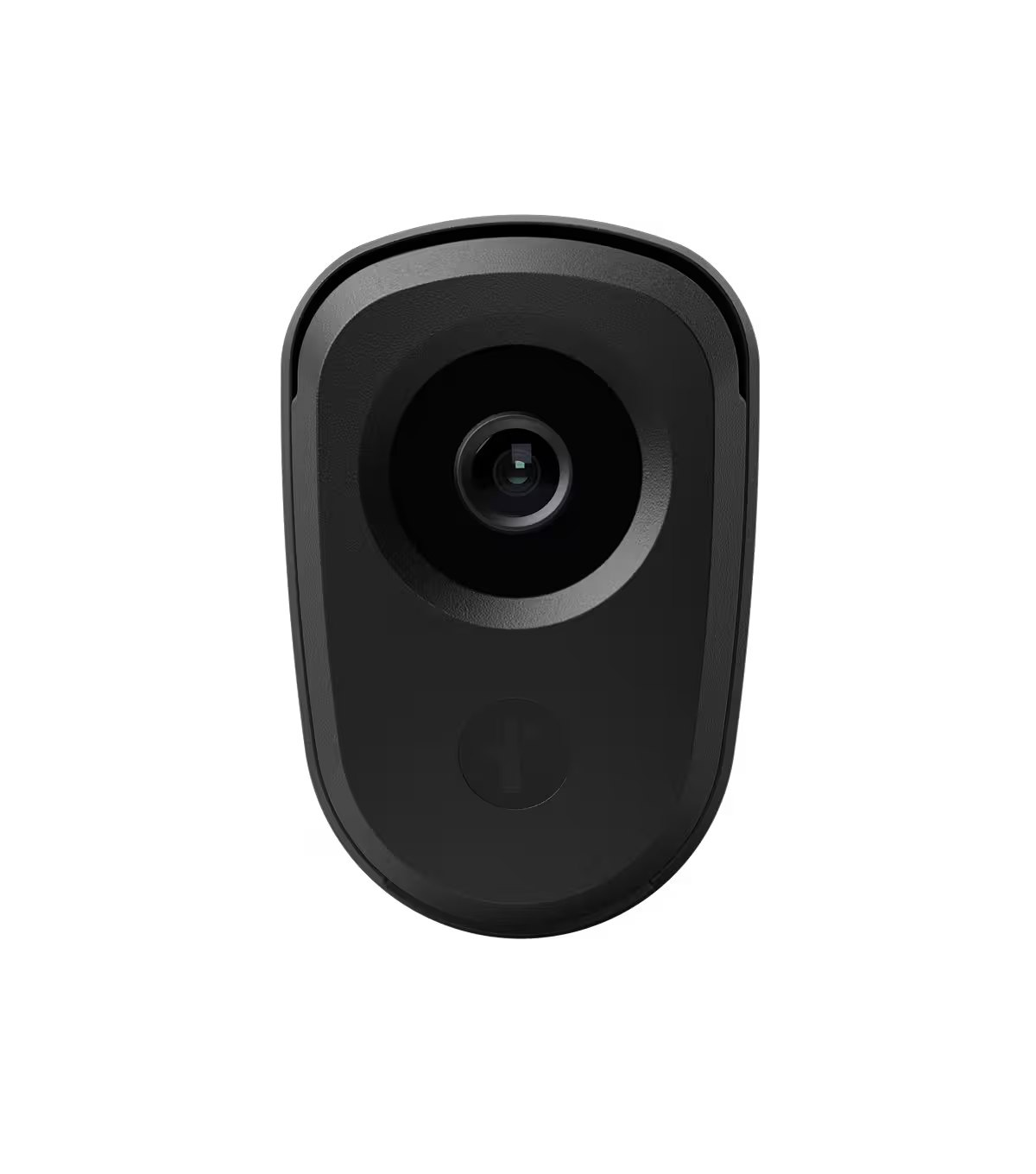
The camera estate is also a computing estate
Connected cameras contain software, identities and network interfaces. Security teams often encounter them through the image: is the scene visible, is the recording available, is the timestamp right? Cybersecurity teams have to ask another set of questions about access, software support and communication.
SecurityInfoWatch's October 9 coverage brings Comcast's finding directly into the physical-security discussion. The report describes a broader threat environment rather than attributing compromise to every camera or a particular brand. It does not support declaring an individual installation compromised without device-specific evidence. SecurityInfoWatch's October 9 camera-traffic coverage
The operational lesson is to treat a functioning video feed as one signal, not a clean bill of health. A device that appears ordinary to its user can still require investigation if it communicates unexpectedly or falls outside the organization's management process.
Autonomy increases the importance of trusted inputs
As software turns video into alerts and recommended actions, the camera becomes part of a decision chain. An autonomous workflow may rely on the availability, location and timing of an observation. The more action is built on that observation, the more important it becomes to understand the condition of the device producing it.
This does not mean the Comcast report proves manipulation of AI security decisions. It describes attack infrastructure and other cyber threats. The connection to autonomous decision-making is our analysis: a sensor estate entrusted with more operational influence needs a correspondingly stronger management model.
An illustrative example makes the boundary clear. A camera could remain available while a separate network investigation identifies suspicious outbound traffic. The correct response may involve isolating or replacing it while preserving essential site coverage. A decision to disconnect it cannot be made sensibly without knowing which operational process depends on that view.
The overlooked asset is a shared inventory
NIST's IoT device cybersecurity capability baseline includes device identification, configuration, data protection, access control, software update and cybersecurity-state awareness. Those categories offer a useful way to ask whether a sensor can be managed throughout its working life. They are not a certification that a particular installed product is safe. NIST IoT device cybersecurity capability baseline
The organizational challenge is often connecting that device-level view to the physical site. A useful inventory links a camera to its owner, network location, supported software, observed scene and the response workflows that depend on it. Without that connection, an IT team may see an unknown endpoint while a security operator sees an indispensable view.
That shared context can make automation more useful. Routine status checks and update coordination can reduce manual work. But automatically changing or isolating a device still needs to respect the site's operational requirements. The aim is a controlled response, not simply faster execution of a network action.
The counterargument: telemetry is not a local diagnosis
Comcast's observations come from its own customer environment and detection systems. Differences in coverage, event definitions and repeated activity affect the totals. The report's methodology page identifies the observation window and mapping to the MITRE ATT&CK framework; it should be read alongside the headline figures. Comcast's report scope and methodology
A well-managed camera installation may already have strong segmentation, supported firmware and restricted access. Broad threat reporting should not trigger indiscriminate replacement. It should help prioritize questions that can be answered with evidence about the actual estate.
Responsibility matters during recovery, too. The network team may be able to isolate an endpoint immediately, while the site team knows which entrance would lose visibility. A rehearsed handoff can preserve both objectives by supplying temporary coverage or an alternative view. Without it, the organization is forced to improvise the relationship between cyber containment and physical protection at the moment of greatest uncertainty.
What a healthier autonomous estate would show
The next useful operational measures are mundane: how many devices have an identified owner, how many remain supported, how quickly software changes can be deployed and how unexpected behavior is investigated without losing necessary coverage. Those figures connect cyber management to the reliability of physical security.
If the sector makes that connection, autonomy can extend to maintaining the conditions under which its observations remain useful. If it does not, increasingly intelligent applications will sit on top of poorly understood endpoints. A camera's job is no longer judged only by the picture it sends home, but also by the other work it may be doing on the network.
References
Questions, news tips or corrections? Contact [email protected].